
The truth is, I’m not sure I am missing macOS. I think what the end of 2026 has taught me is that while nice hardware is just that, nice, it’s the operating system and software that really make the experience.
I still remember my very first laptop. I’d taken the train down to Oxford on 4 January 1995 for my first ‘proper’ job at Unipart International. When I left 3 days later, I was driving a pretty new Rover 214, chatting to people on a NEC P3 mobile phone (in a fancy hands-free car kit) and with a Panasonic Toughbook on the passenger seat. I’ve blogged about the cars before here. I don’t think any of them saw 1996, with the car upgraded to a new-style 214, the phone a Nokia 2110, and the laptop a Dell Latitude XPi (I think).
I went through more cars than phones during my almost 8 years at Unipart, and more phones than laptops! I think I only replaced the Dell (with another one) once. When I left Unipart, and after a few months of soul-searching and generally lazing around staying with friends back in Chester and North Wales, I set up my own company, so I was responsible for choosing my own phones and laptops. I blogged about some of those laptops here, so I won’t cover that again, but during those almost 20 years as a contractor I moved from MS-DOS to Windows and then to OSX before macOS. I also played around with various flavours of Linux and started learning about FreeBSD via FreeNAS/TrueNAS, but they were never really what you’d call ‘daily drivers’.
I wound up my company in 2022 when I accepted a permanent role as a Civil Servant working at the Scottish Government, and they gave me an HP EliteBook 830 G6 running Windows 10, and while I still had a new MacBook Pro M1 I’d bought in 2021, I was back in the land of Windows for my day-to-day work. I still used the MacBook for my personal stuff, and would take macOS over Windows every day of the week, and twice on a Sunday. I’m lucky that part of my job involves setting minimum laptop specifications for a national procurement framework, so I always have a few extra devices at home for evaluation. I’ve been able to test them with Windows for ARM and more Linux distros, and it’s an HP EliteBook 6 G1a that I installed omarchy on, which has resulted in a resurgence of my blog, but more importantly, a contender to macOS as my OS of choice.
The latest device I’ve had to play with reinforces this thinking. Since my first MacBook Air in 2008, I’ve felt Apple has built better hardware than major OEMs like HP, Dell, and Lenovo. They have always lagged on volume and typically sat at the higher end on cost, but the old adage “you get what you pay for” always felt true. That was until I unboxed the Microsoft Surface Ultra that I was sent to test last week. An absolute brick of a machine, and built every bit like the MacBook Pro I’d bought earlier in 2026, which I blogged about here.
On paper, it’s also somewhat of a powerhouse, with an NVIDIA RTX Spark™ N1X with a 5120-core GPU and an 18-core CPU, 32GB Unified Memory and a 1TB SSD, although all that performance comes at a price – almost £3,500! Not quite double the price of the MacBook Pro, but pretty much twice the price of the HP 6G1a, albeit in a very different space from a build perspective. But the Achilles ‘ heel of the Surface Ultra is the operating system. It’s running Windows 11 Pro for ARM. A more painful experience than a standard x86 device running Windows, and even that’s not really much fun. I’m sat typing this on the 6G1a, with the almost £6,000 worth of Apple and Microsoft devices on standby in the office.
The OS experience feels like it has become just as important as the price and quality of the device, if not more so. And over the last few months, omarchy has started to become my OS of choice, which, given I’ve been using macOS for almost 20 years, is quite a surprise.
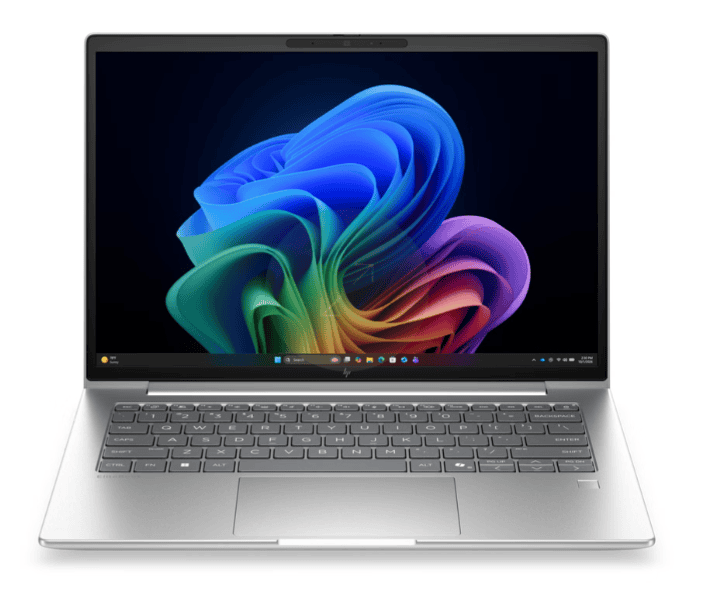

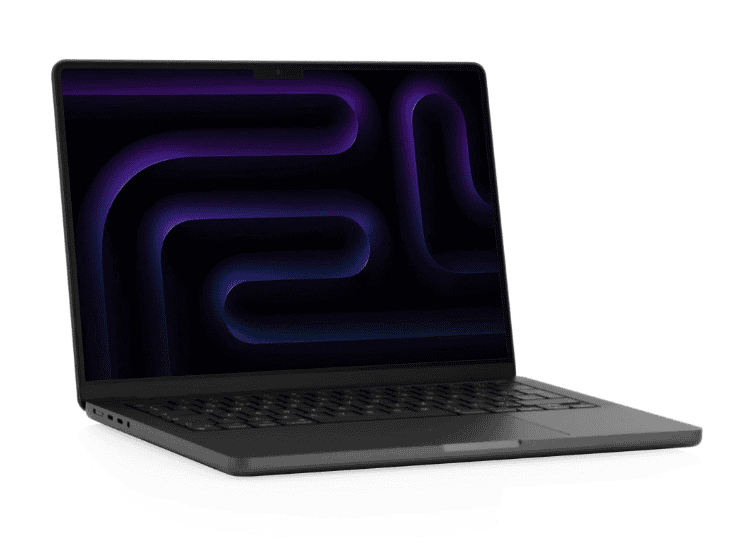
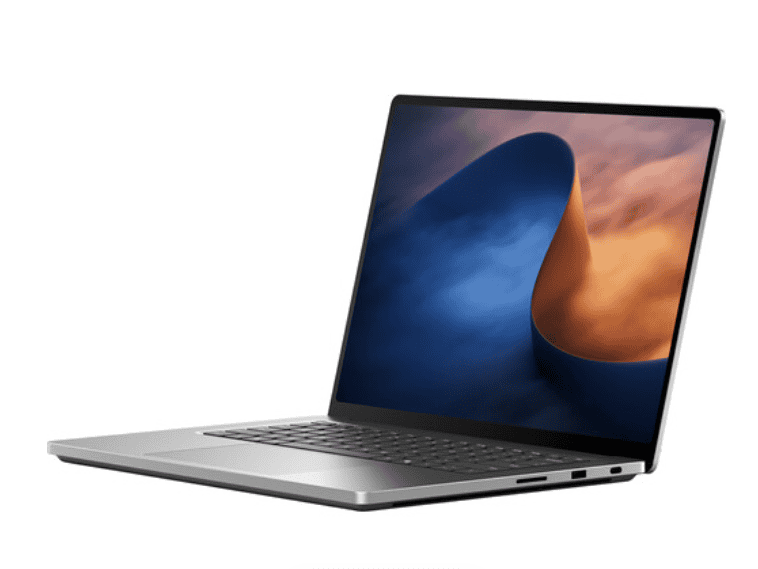
I’m not sure I’m quite ready to ditch my MacBook Pro, although I would seriously consider running omarchy on that when it becomes a viable option. I’ve already started looking into running it on the Surface Ultra, but neither is particularly well supported right now. Perhaps in 2027 I’ll be able to have the best of both worlds. An incredibly well-built device like the MacBook Pro or Microsoft Surface Ultra (which is maybe a little too well built, and heavy!) running omarchy. Watch this space…
Recent Comments